

Scheme Name: Gaushala / Gausadan Gramya Gau Sevak Yojana (Pilot Project)
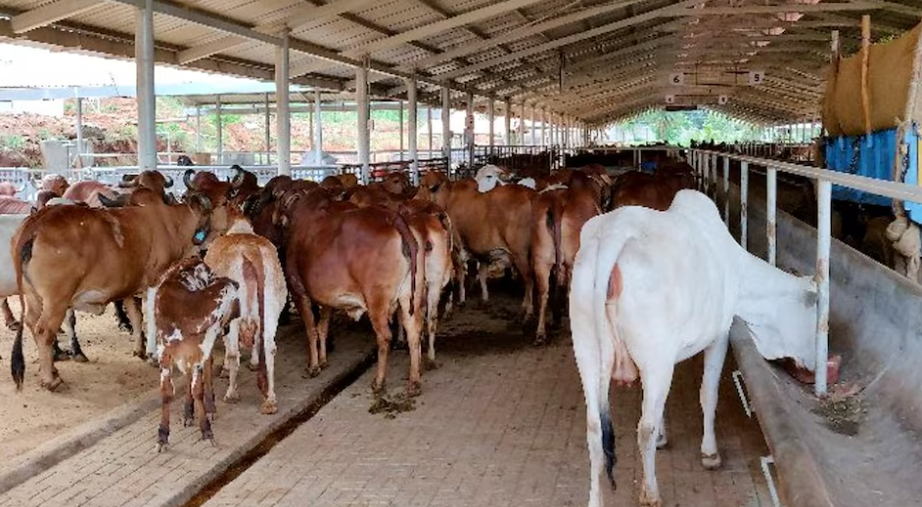
· Department: Animal Husbandry Department, Government of Uttarakhand
· Approval: GO N. 36254/XV-1/23/7(14)22 dated 26 June 2023
· Target Beneficiaries: Destitute (Nirashrit) cows, bulls and calves maintained at the village level through Gosala/ Gausadan and Gramya Gau Sevaks.
Problem Addressed and Objective
· The increasing number of stray cattle has emerged as a major concern across rural and urban areas and on Char Dham Yatra routes Uttarakhand.
· Crop damage.
· Road accidents involving stray cattle.
· Animal welfare issues due to inadequate feeding and healthcare.
Objectives
· Ensure proper maintenance of destitute cattle.
· Reduce stray cattle on roads and agricultural fields.
· Reduce the road accidents due to destitute animals.
· Strengthen village-level participation in cattle welfare.
Scheme Design and Key Interventions
· The scheme is implemented through Gosadan/ Gosala /Gramya Gau Sevaks,
· Identification and registration of destitute cattle.
· Daily feeding, watering and shelter management.
· Coordination with Gram Panchayats and Veterinary Officers.
Major Reform
· On 8th July 2022- meeting held and decide maintenance Rs. 30.00 per day per animal
· GO. No 909/XV-1/25/63495 Dated 02 June 2025 maintenance increased Rs. 80.00 per day per animals
· Better quality green and dry fodder.
· Improved cleanliness and sanitation.
· Better overall welfare of cattle.
Financial Outlay and Expenditure
|
Year |
Total expenditure (Rs. in lakh) |
|
2022-23 |
105 |
|
2023-24 |
271 |
|
2024-25 |
426 |
|
2025-26 |
491 |
|
2026-27 |
600 (sanctioned) |
· The revised financial support substantially strengthens the implementation of the scheme.
· Expected Utilization on Fodder procurement.
· Veterinary medicines and first aid.
· Maintenance of cattle sheds.
· The enhanced allocation reflects the Government's commitment towards scientific and humane management of destitute cattle.
Physical Outputs
|
Year |
No. gosadan benefited |
No. of cattle sheltered |
|
2022-23 |
40 |
9559 |
|
2023-24 |
60 |
12802 |
|
2024-25 |
70 |
13488 |
|
2025-26 |
95 |
17890 |
|
2026-27( Till date) |
108 |
19500 (approx.) |
· Reduced mortality among destitute animals.
· Increased number of cattle covered under the scheme.
· Regular vaccination and disease surveillance.
· Healthier and more productive indigenous cattle population.
Employment and Livelihoods Generated
· The scheme creates employment opportunities at the village level by engaging Gramya Gau Sevaks.
· Additional employment in fodder production and transportation.
· Income opportunities for local farmers supplying fodder.
· Community participation in cattle welfare.
Ground-Level Outcomes and Impact
The enhancement from ₹30 to ₹80 per day is expected to produce significant improvements.
Key Outcomes
· Better nutritional status of cattle.
· Improved animal health and welfare.
· Reduction in stray cattle movement.
· Decrease in crop damage.
· Fewer road accidents caused by stray cattle.
· Greater public confidence in Government initiatives.
Evidence and Success Stories
· Farmers have experienced reduced crop losses.
· Community participation has increased significantly.
· The enhanced financial support has made the scheme more practical and sustainable.
Implementation Challenges and Corrective Action
Challenges
· Identification of all destitute cattle.
· Continuous monitoring at village level.
· Timely release of funds.
· Proper documentation and verification.
Corrective Measures
· Digital registration and monitoring of cattle.
· Regular inspections by Veterinary Officers.
· Timely fund disbursement.
· Strengthened coordination among Gram Panchayats, Gaushalas and the Animal Husbandry Department.
Present Status and Way Forward
The enhancement of maintenance assistance from ₹30 to ₹80 per animal per day marks a significant policy intervention towards improving the welfare of destitute cattle in Uttarakhand.
Way Forward
· Ensure timely release of maintenance funds.
· Introduce digital monitoring and geo-tagging of cattle.
· Promote community participation and convergence with other livestock welfare programmes.
