

Scheme Name: Construction of Gosadan/Goshala Scheme and Maintenance of Destitute /Cattle
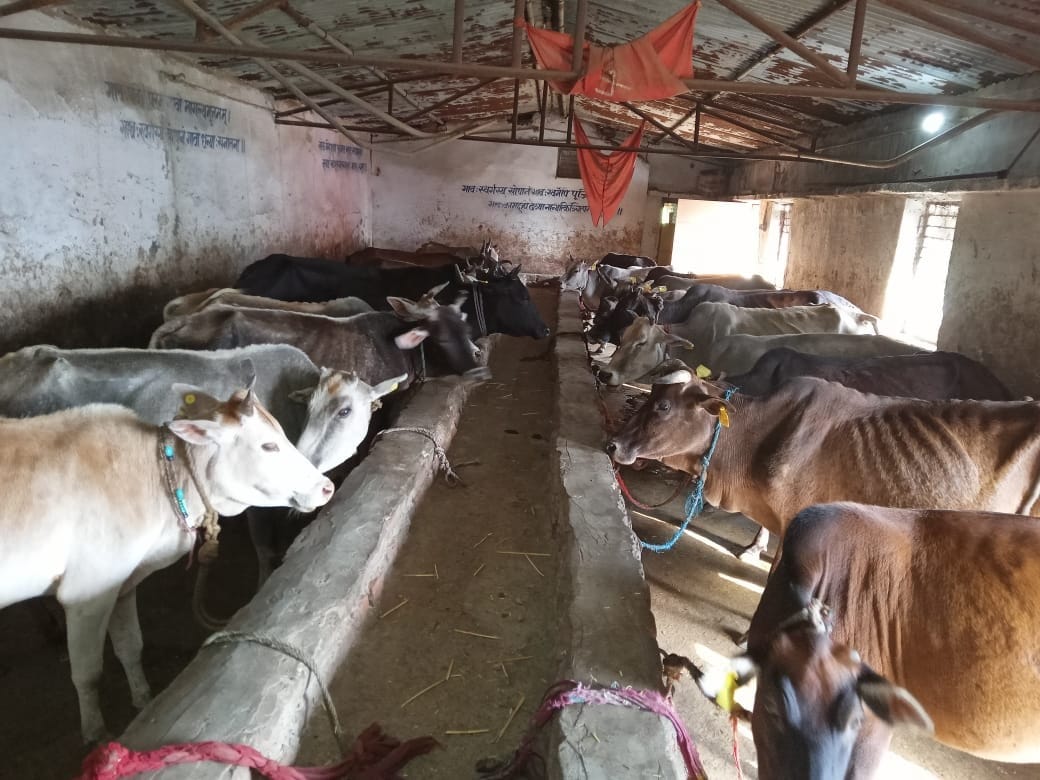
- Implementing Agency:Uttarakhand Pashu Kalyan Board, Animal Husbandry Department, Government of Uttarakhand
- Year of Launch: 2023
- Department: Animal Husbandry Department, Government of Uttarakhand
- Approval : GO No. 36254/XV-1/23/7(14) Dated 26 June 2023
- Geographical Coverage: State-wide (implemented in all districts through Urban Local Bodies, Panchayati Raj Institutions and registered Gaushalas/Gosadans)
- Status: Ongoing
Problem Addressed and Objective
· The increasing number of abandoned, stray and unproductive cattle has resulted in crop damage, road accidents, animal welfare concerns and pressure on local bodies.
· There was a need for scientifically managed shelters for safe housing and care of such animals.
Objectives
· To establish permanent Gosadans for the shelter and welfare of destitute /stray and abandoned cattle.
· To reduce stray cattle menace and minimize crop losses and road accidents.
· To promote scientific management, health care and welfare of rescued cattle through institutional support.
Scheme Design and Key Interventions
Target Beneficiaries:
· Registered Gaushalas/Gosadans
· Urban Local Bodies
· Gram Panchayats
Eligibility:
· Any registered Samiti/ Trust/Organization
Assistance Provided:
· Government Financial assistance for construction of Gosadan infrastructure.
· Category1—Government land and owner should be local body—100% Government contribution for construction.
· Category 2 – Government land but registered Gosala -40% by registered gosala and 60% by District committee.
· Category 3—Land other than government either owned by trust or leased for 50 years– 40% by gosasala and 60% by District committee.
· Category 4—Pre-exist gausala strengthening 40% by gausala and 60% by District commeetee.
Above % of expenditure as per norm of Uttarakhand Government.
· Financial assistance - 46 lakh for 50 cattle and 66 lakh for 100 cattle capacity along with land developmental charges as per applicable for construction of gosadan.
Delivery Mechanism:
· Funds released by the State Government through the Uttarakhand Pashu Kalyan Board.
· Implementation monitored by the Animal Husbandry Department and District Administration.
Distinctive Features:
· Focus on animal welfare and scientific cattle management.
· Convergence with local bodies and animal welfare institutions.
· Reduction of stray cattle through permanent shelter infrastructure.
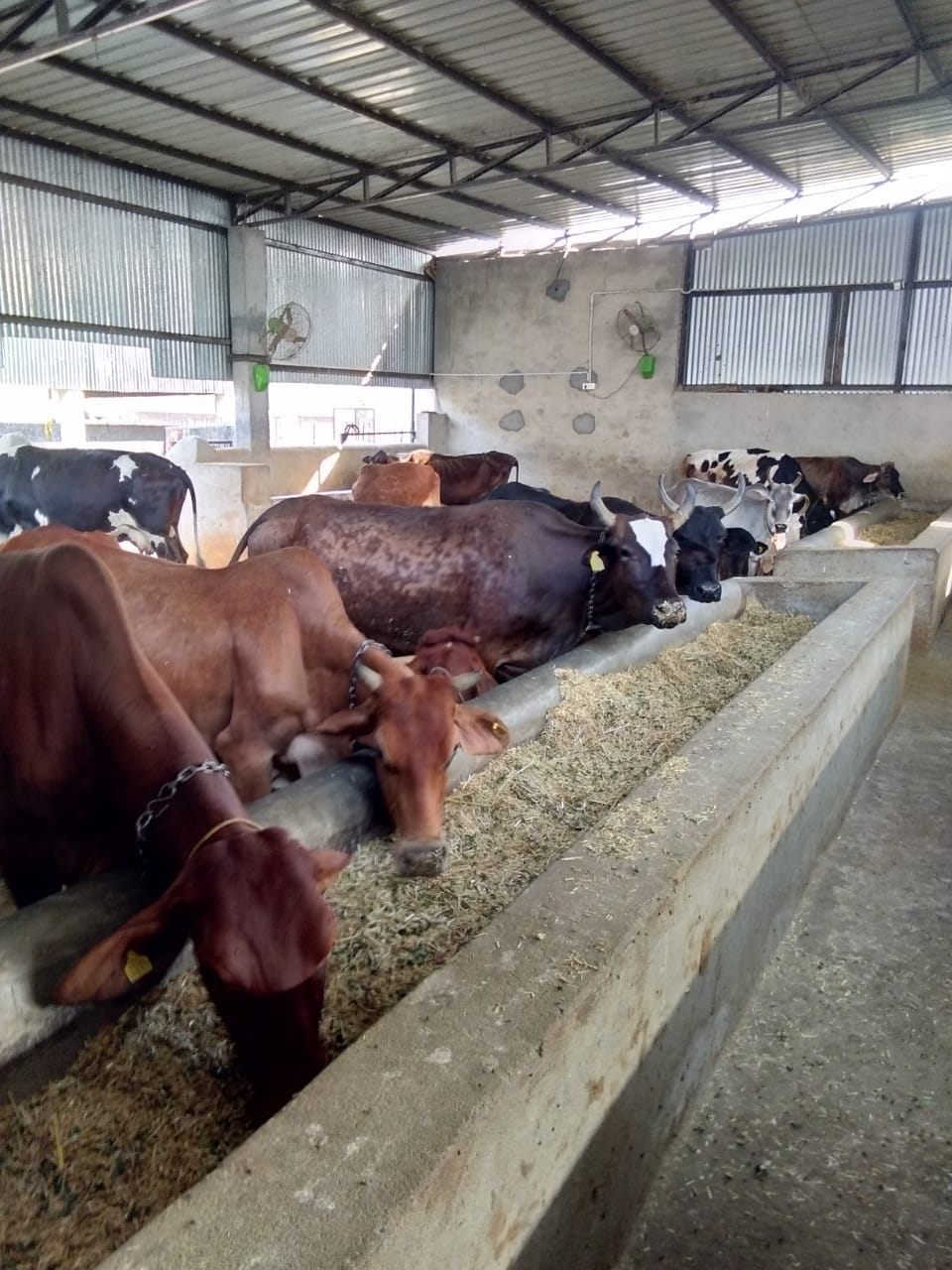
Financial Outlay and Expenditure
|
Year |
No.
gosadan benefited |
No.
of cattle sheltered |
|
2022-23 |
40 |
9559 |
|
2023-24 |
60 |
12802 |
|
2024-25 |
70 |
13488 |
|
2025-26 |
95 |
17890 |
|
2026-27 |
108 |
19500 |
Physical Outputs
|
Year |
Approved
Outlay (₹ lakh) |
Expenditure (₹
lakh) |
|
2025-26 |
500 |
500 |
|
2026-27 |
700 |
700 expected |
Beneficiary Contribution: /As per Government norms.
Employment and Livelihoods Generated
· Direct employment generated through construction activities and management of Gosadans. Every gosadan provides at least 10-15 persons employment for routine management
· Indirect employment created in fodder supply, veterinary services, sanitation and maintenance. Every gosadan provide at least 30-40 persons indirect employment.
Ground-Level Outcomes and Impact
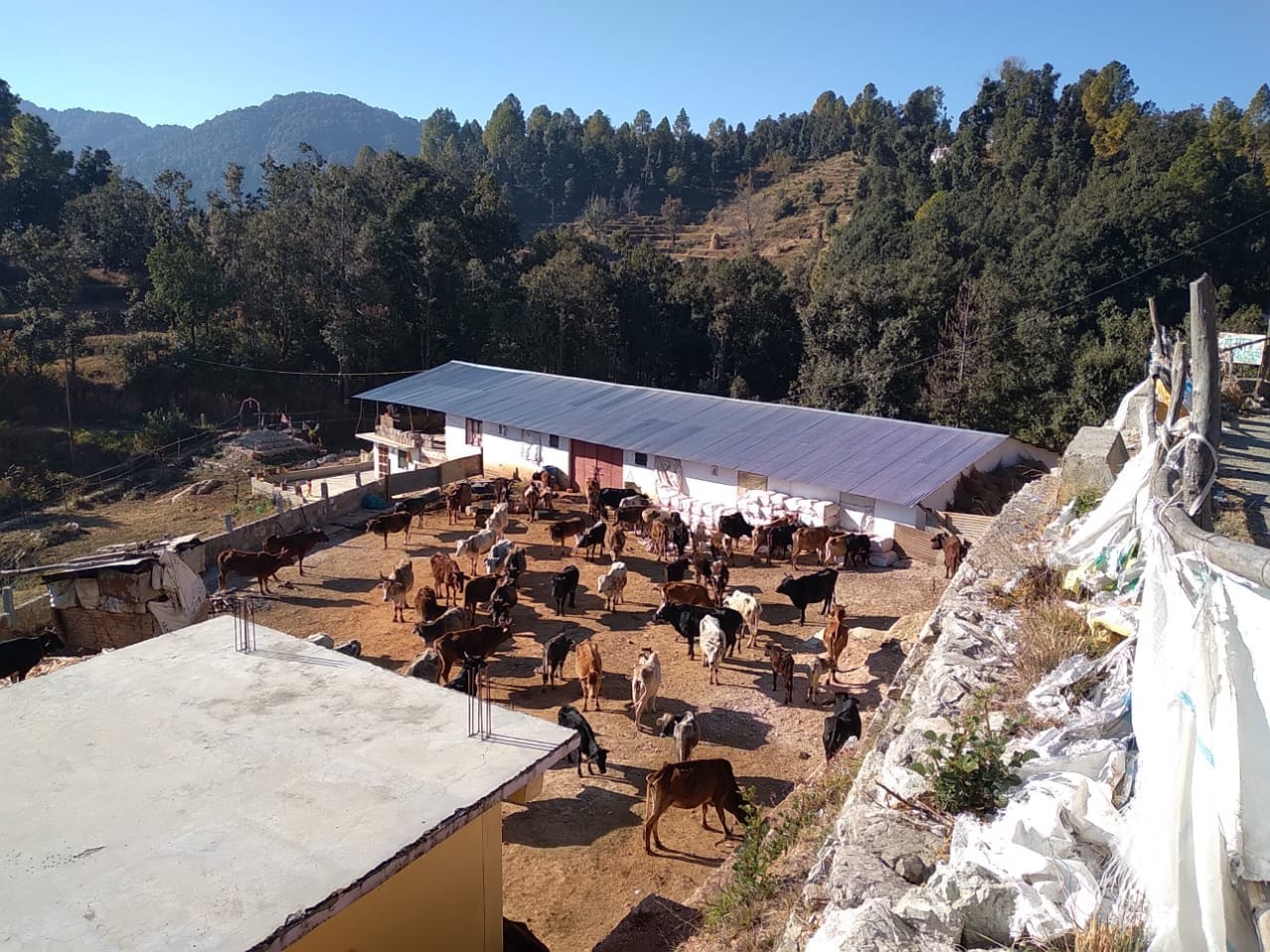
· Improved shelter facilities for stray and abandoned cattle.
· Reduction in stray cattle on roads and agricultural fields in intervention areas.
· Improved animal health, feeding and veterinary care.
· Strengthened institutional capacity for cattle welfare and rescue operations.
· Enhanced public safety and reduced crop damage.
Evidence and Success Stories
· Significantly improves the welfare of destitute cattle.
Villages where the scheme is operational have reported improved cattle management, greater community participation.
Implementation Challenges and Corrective Action
Challenges:
· Limited availability of suitable land.
· Rising construction costs.
· Maintenance and recurring expenditure.
· Fodder availability during lean seasons.
· Increasing number of stray cattle.
Corrective Measures:
· Coordination with District Administration for land allocation.
· Regular monitoring by the Animal Husbandry Department.
· Promotion of convergence with Panchayati Raj Institutions and Urban Local Bodies.
· Capacity building for scientific cattle management.
Present Status and Way Forward
· The scheme is being implemented to strengthen the infrastructure for shelter and welfare of stray cattle across Uttarakhand. Additional Gosadans may be established in districts with higher stray cattle populations.
· Future efforts should focus on convergence with fodder development, veterinary health services, cattle identification, waste-to-wealth initiatives such as biogas and organic manure production, and long-term financial sustainability of Gosadans through community participation and public-private partnerships.
