

Scheme Name: Silage Evam Dudharu Pashu Poshan Yojna
· Department: Dairy Development Department
Problem Addressed & Objective
Problem:
· Limited availability of quality fodder round the year.
Objectives:
· Promoting high quality fodder for better productivity of cattle.
· Creating awareness about importance of quality fodder.
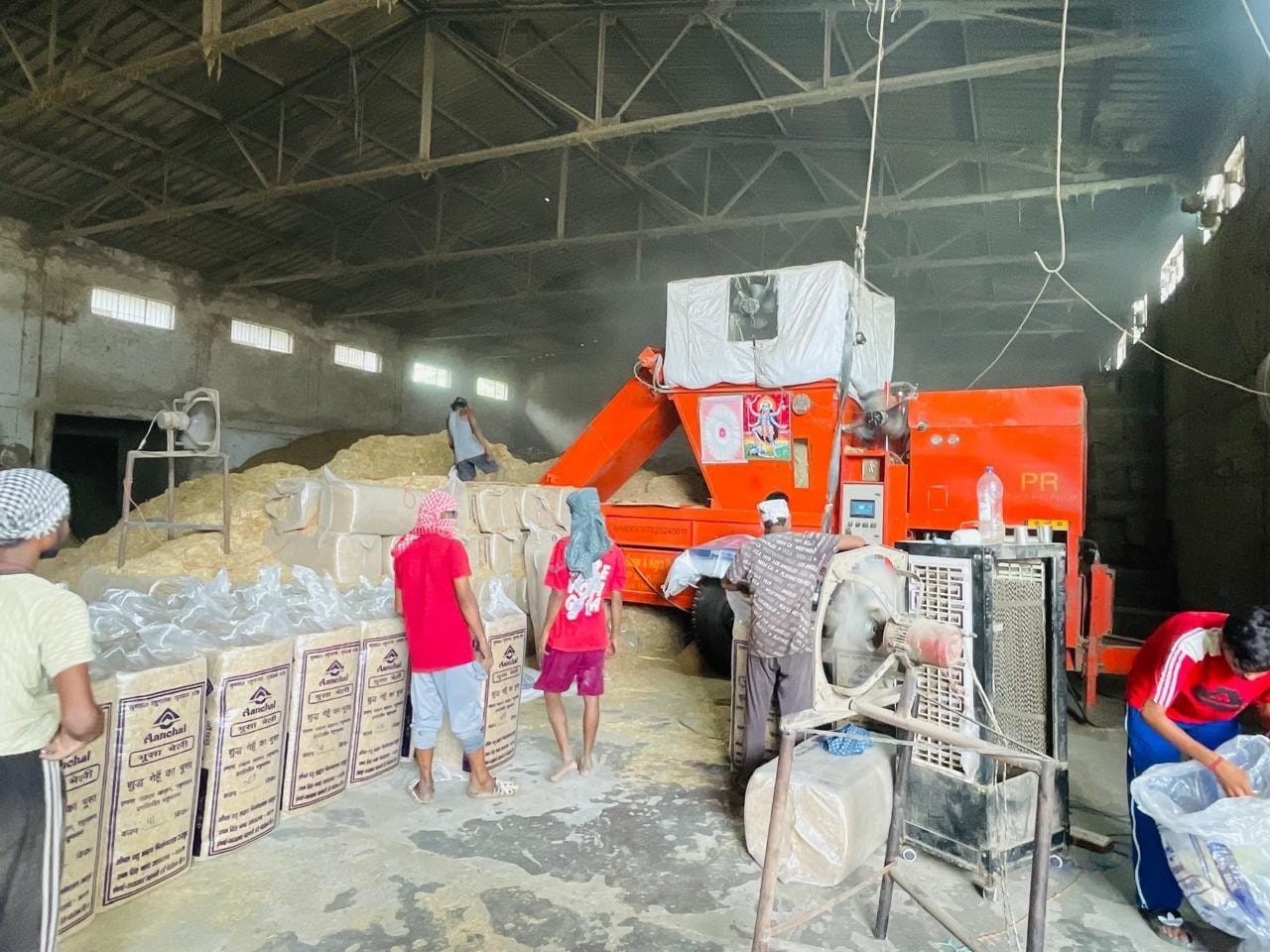
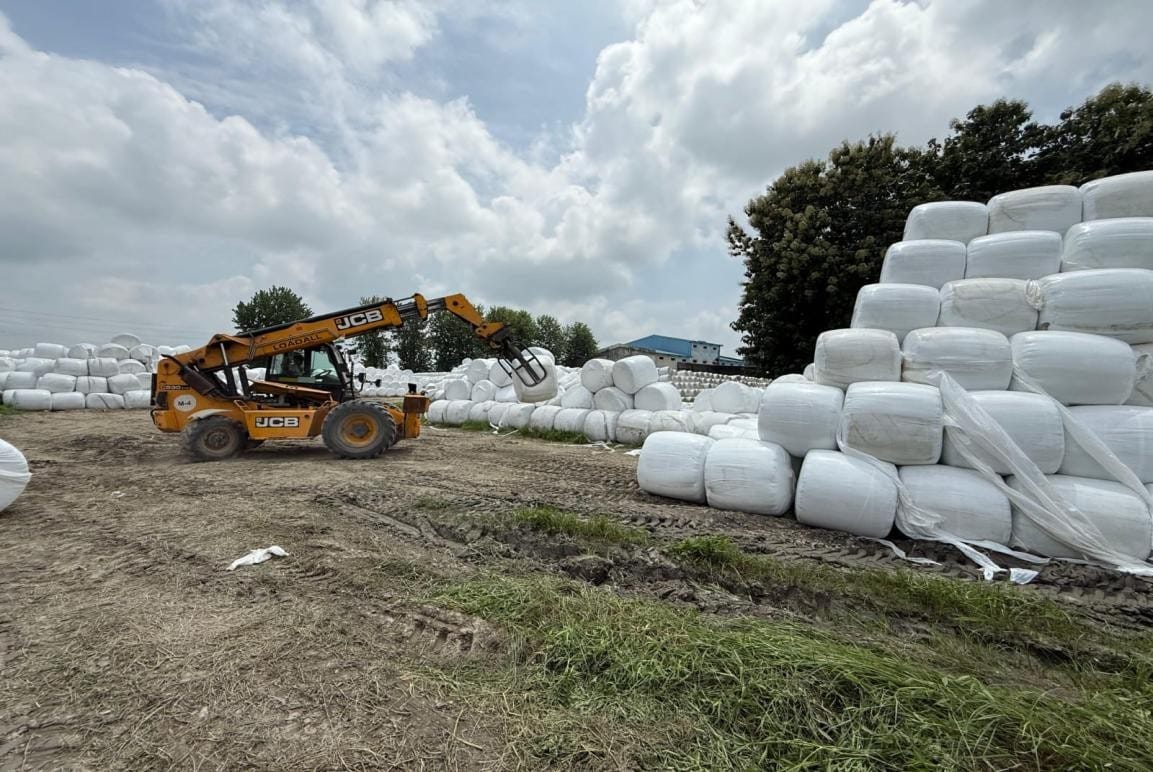
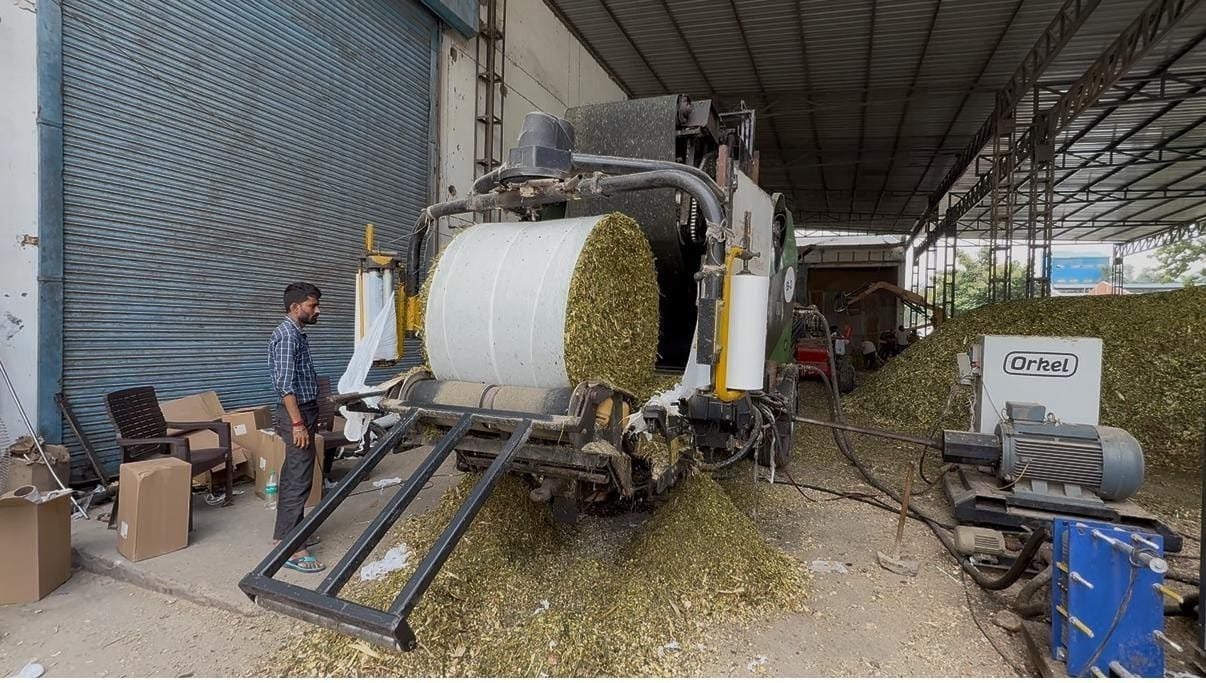
· Production and distribution of Silage.
· Improving the quality of milk.
Scheme Design & Key Interventions
· Provide silage to DCS members at subsidized rates.
· Doorstep delivery of silage with uniform rates across state.
· Aligning with FPO and service partner for increasing silage production capacity.
Financial Outlay & Expenditure (In Lacs)
| Year | 2022-23 | 2023-24 | 2024-25 | 2025-26 | 2026-27 |
|---|---|---|---|---|---|
| Budget Prov. | 600.00 | 927.46 | 3051.80 | 2965.00 | 3000.00 |
| Expenditure | 600.00 | 927.46 | 3051.80 | 2965.00 | - |
Physical Outputs
Cattle feed, Compact Feed Block and Silage sales have increased by a CAGR of 7.26%, 28.38% and 163.30% respectively after the restructuring of the scheme.
Employment & Livelihoods Generated
44928 farmer members benefited under the scheme.
Ground-Level Outcomes & Impact
· By the use of silage quality of milk in terms of SNF has been improved from 8.29 to 8.31 with an increase of 0.02% which leads to a saving of Rs. 1.0 lac per day in terms of SMP consumption.
· Overall productivity of cattle has improved, that is evident as the milk procurement volumes have been increased by a CAGR of 6.39%.
· With the help of this initiative farmers with limited land will also be able to start commercial dairy farming.
Evidence & Success Stories
· Mrs. Meena Devi, an active member of the Bariyahat Dairy Cooperative Society (DCS), Khatima, previously owned three dairy animals and supplied an average of 18 liters of milk per day, with 3.3% fat and 8.15% SNF.
· Following the introduction of silage feeding, both milk quality and productivity improved significantly. The Fat content increased from 3.3% to 4.5%, while SNF improved from 8.15% to 8.80%. In addition, average milk production nearly doubled, rising from 18 liters to 35 liters per day.
Before adopting silage feeding, Mrs. Meena Devi received ₹32.13 per liter, earning approximately ₹575 per day from milk sales. With the improvement in milk quality and yield, the milk procurement price increased to ₹39.80 per liter, resulting in an average daily milk income of approximately ₹1,390, more than doubling her previous earnings.
Implementation Challenges & Corrective Action
· Due to positive impact of this scheme demand for silage has increased exponentially.
· Limited availability of subsidies creates a challenge to meet the increasing demand of silage.
· To overcome this challenge percentage of subsidies can be reduced.
Present Status & Way Forward
· In the year 2024-25 about 25000 MT of silage has been provided to DCS members.
· The plan is to provide about 50000 MT of silage to DCS members by the year 2030.
